
Can Sudden Cardiac Arrest Be Prevented? Your Guide to Heart Screening in Singapore
Understanding silent warning signs, cardiovascular risk factors, and proactive cardiac screening protocols.
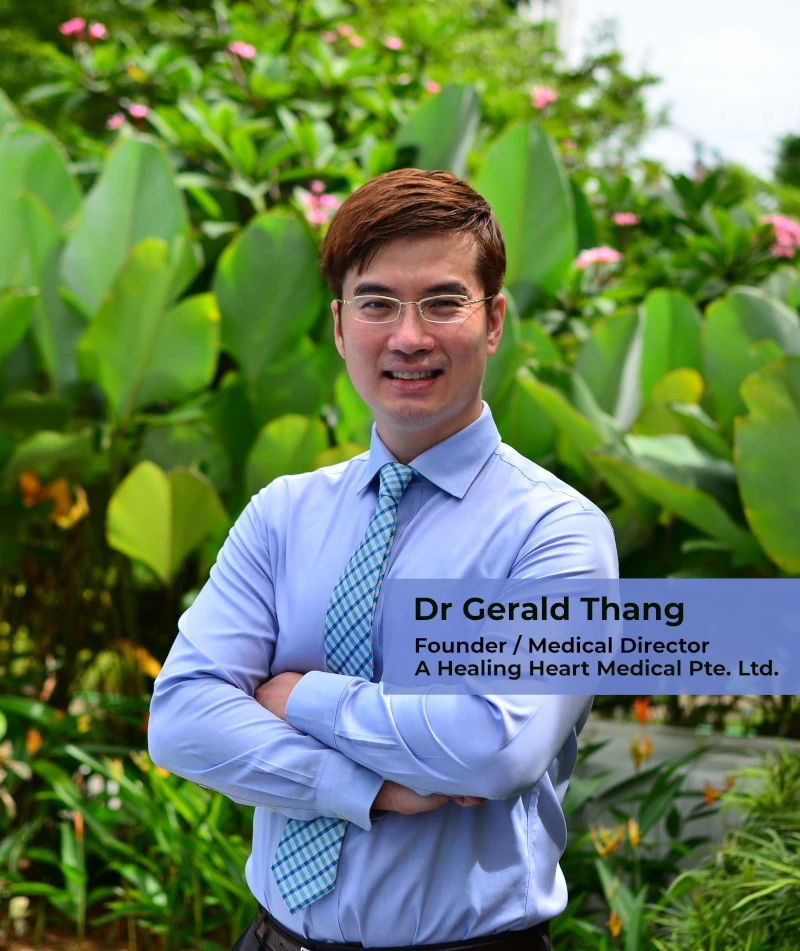
Written & Reviewed by Dr. Gerald Thang
Principal Physician
MBBS (Singapore), MRCP (UK), Graduate Diploma in Cardiology (Singapore)
⚡ Quick Medical Summary: Sudden Cardiac Arrest Prevention
- The Core Reality: Sudden cardiac arrest (SCA) occurs abruptly, but the underlying cardiovascular disease usually develops silently over years.
- Primary Cause: Up to 80% of out-of-hospital cardiac arrest cases are caused by underlying coronary artery disease (silent arterial blockages).
- Subtle Red Flags: Unexplained fainting, chest tightness during exertion, or unexpected heart palpitations warrant immediate clinical evaluation.
- Preventive Action: Comprehensive cardiac screening identifies structural, electrical, and vascular risk factors before acute events occur.
Every year in Singapore, over 3,000 individuals suffer from out-of-hospital cardiac arrest (OHCA). Because cardiac arrest occurs without warning, many believe it is an unpredictable, unpreventable event. However, clinical cardiology shows a clear pattern: while the collapse happens suddenly, the physiological vulnerability has often been building for years.
Understanding the distinction between electrical heart failure and arterial blockages, and identifying silent warning signs, is the first step toward effective primary prevention.
Heart Attack vs. Sudden Cardiac Arrest: What is the Difference?
Patients often use the terms "heart attack" and "cardiac arrest" interchangeably, but medically they refer to two distinct conditions:
| Condition | Clinical Cause | Primary Symptoms |
|---|---|---|
| Heart Attack (Circulatory Issue) |
Coronary artery blockage restricting oxygen-rich blood flow to the heart muscle. | Crushing chest pain, cold sweats, breathlessness, radiating pain to the jaw or left arm. Patient is usually conscious. |
| Sudden Cardiac Arrest (Electrical Issue) |
Lethal arrhythmia (e.g., Ventricular Fibrillation) causing the heart to abruptly stop pumping blood. | Immediate loss of consciousness, lack of pulse, abnormal breathing/gasping. Patient is unresponsive. |
A severe heart attack can induce abnormal heart rhythms, directly triggering sudden cardiac arrest. Preventing coronary artery disease is the most effective way to prevent sudden cardiac death.
Can Sudden Cardiac Arrest Be Prevented?
Yes, the majority of cases are preventable. Clinical registry data shows that approximately 80% of sudden cardiac arrest patients have underlying coronary artery disease, while 75% show evidence of prior (often unrecognised) heart muscle injury.
Targeted prevention involves identifying modifiable cardiometabolic risk factors before they cause arterial damage or electrical instability:
- Hypertension (High Blood Pressure): Uncontrolled blood pressure thickens the heart muscle (left ventricular hypertrophy), raising arrhythmia risk.
- Hyperlipidemia (High Cholesterol): Excess LDL cholesterol forms atherosclerotic plaques that can rupture and trigger acute arterial blockages.
- Diabetes Mellitus & Insulin Resistance: Accelerates arterial stiffening and microvascular damage across coronary vessels.
- Silent Electrical or Structural Conditions: Inherited conditions (such as hypertrophic cardiomyopathy or long QT syndrome) that can be detected via electrocardiograms (ECG) or cardiac ultrasound (Echocardiography).
⚠️ Subtle Warning Signs Not to Ignore
While cardiac arrest appears sudden, up to 50% of patients experience transient warning symptoms in the days or weeks leading up to an event. Seek immediate medical evaluation if you experience:
- Unexplained fainting (syncope) or near-fainting spells during physical exertion.
- Unusual shortness of breath out of proportion to your exertion level.
- Sudden heart flutters, race-track palpitations, or irregular skipping beats.
- Transient chest tightness or discomfort that resolves with rest.
The Principal Physician's Note
Preventive cardiology is rooted in early detection. Identifying hypertension, lipid disorders, or silent vascular blockages before they manifest as acute cardiac events allows us to intervene effectively, protecting both heart function and long-term quality of life.
Frequently Asked Questions
Who should undergo routine cardiac screening in Singapore?
Cardiovascular screening is recommended for individuals over 40, those with a family history of early heart disease or sudden death, patients with chronic conditions (hypertension, diabetes, high cholesterol), or active individuals embarking on intense athletic training.
How often should I have my heart checked?
For individuals with existing metabolic risk factors, annual clinical evaluations are advised. If you are symptom-free with normal baseline results, screening every 2 to 3 years is generally appropriate, as advised by your physician.
Related Guides from Our Health Library: