
The High-Functioning Audit
Could your body be masking a silent vascular crisis without you knowing?
1. Select your current age group:
2. Is there a family history of Heart Attack or High Cholesterol?
3. Do you experience morning headaches, tinnitus, or "brain fog"?
Clinical Priority: Cardiac Infrastructure Audit
Your profile indicates a potential internal risk trajectory. Especially for those in the 40-59 "Red Zone," high-functioning individuals often mask structural heart changes. We recommend a dedicated heart screening to evaluate arterial stiffness and heart wall thickness.
Clinical Priority: Metabolic Baseline Audit
While your immediate risk factors are lower, entering the 40+ demographic is a physiological turning point. Establishing a baseline for cholesterol and blood pressure now is essential to prevent the "Silent Erosion" of your vascular health.
Vascular Health: Frequently Asked Questions
Many of us are working adults maintaining high productivity at work despite dangerously high blood pressure. Because the body is resilient, it compensates by thickening the heart wall, effectively "hiding" the problem until a major event occurs.
Yes. This is often "Genetic High Cholesterol." Your liver may be genetically programmed to overproduce LDL regardless of your body fat percentage or exercise routine. Only a clinical audit can reveal this internal risk.
A regular blood test tells you what is in your blood today. A Heart-Related Screening uses ultrasound and stiffness measurements to see if your organs have already been damaged by years of silent pressure.
In Singapore, hypertension prevalence triples between ages 40 and 59. This is the period where metabolic buffering fails and silent vascular erosion accelerates.
No. A normal heart rate does not negate the danger of a Hypertensive Crisis. High pressure alone can damage small blood vessels in the brain and kidneys. If your BP is 180/120 mmHg or higher, rest for 5 minutes and retest. If it remains high, contact a medical professional immediately, regardless of your heart rate.
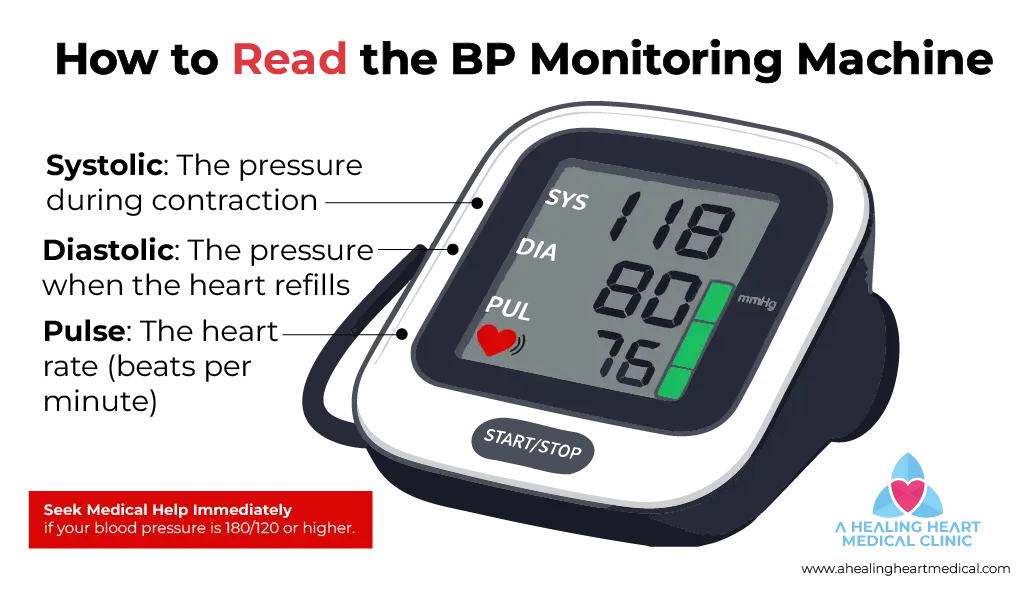
Figure 1: How to read the blood pressure monitoring machine properly.
Blood Pressure & Heart Rate Table
In Singapore, hypertension prevalence triples between ages 40 and 59. Use the Singapore MOH-aligned scale below to identify if your current readings require a lifestyle adjustment or a cardiac infrastructure audit.
A complete audit evaluates both the pressure (BP) and the engine speed (Pulse). Use these ranges to categorize your resting state.
| BP Category | Systolic (Top) mmHg |
Diastolic (Bottom) mmHg |
Resting Heart Rate BPM |
Clinical Action (MOH Guidelines) |
|---|---|---|---|---|
| Healthy / Optimal | Less than 120 | & Less than 80 | 60 – 75 | Maintain Baseline / Annual Check |
| Normal / Pre-Hypertension | 120 – 129 | & Less than 80 | 76 - 85 | Lifestyle Audit (Diet & Stress) |
| High-Normal (Stage 1) | 130 – 139 | or 80 – 89 | 60 – 75 | Screening Recommended |
| Hypertension (Stage 2) | 140 – 159 | or 90 – 99 | Above 100 | Clinical Intervention Required |
| Hypertensive Crisis | Higher than 180 | or Higher than 120 | *Variable | Emergency: Seek immediate care if accompanied by chest pain, headache, or blurred vision. |
*Resting Heart Rate should be measured after 5 minutes of stillness. Consistently high BPM (>85) at rest may indicate underlying metabolic or stress-related strain.
*Source: Aligned with Singapore Ministry of Health (MOH) Clinical Practice Guidelines and WHO. If your readings fall into two categories, the higher category determines your risk level.
Secure Your Vascular Longevity
Don't wait for a loud symptom to address a silent mechanical problem. Book your clinic audit today.