
Human Growth Hormone (Somatotropin): Beyond Growth
Is cellular recovery and tissue preservation merely a matter of active rest, or is your endocrine system the true coordinator of your physical vitality?
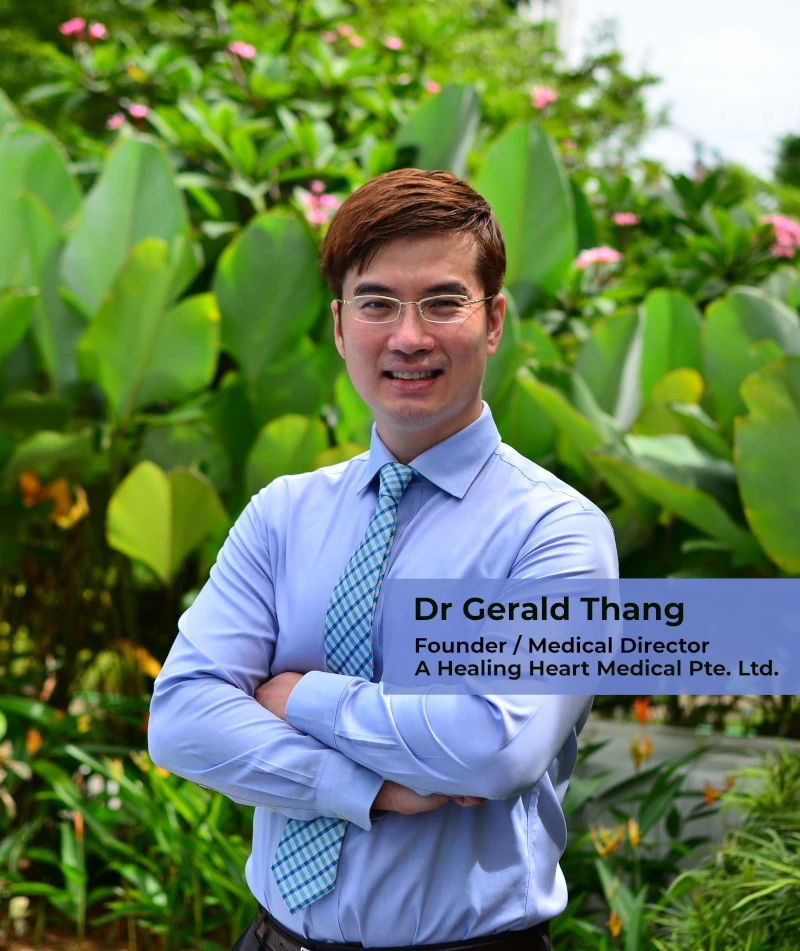
Written & Reviewed by Dr. Gerald Thang
Principal Physician
MBBS (Singapore), MRCP (UK), Graduate Diploma in Cardiology (Singapore)
- The Core Axis: Exogenous Somatropin acts indirectly by signaling the liver to produce Insulin-like Growth Factor 1 (IGF-1), directing essential structural and vascular repair.
- Cardiorenal Protection: Normal growth hormone levels are required to preserve cardiac chambers and protect the flexible lining of your blood vessels.
- Anabolic Steroid Dangers: Using unmonitored anabolic steroids or gray-market peptides causes severe organ damage, heart wall thickening, and complete endocrine failure.
- Regulatory Safeguards: Under HSA guidelines, medical replacement is strictly indicated for documented Adult Growth Hormone Deficiency (AGHD) using clinical stimulation tests.
Human Growth Hormone (HGH), or Somatotropin, is often misunderstood as a performance-enhancing supplement reserved solely for pediatric growth challenges or elite athletes. In contemporary metabolic and cardiorenal care, clinical science views natural Somatotropin as a master endocrine coordinator of tissue remodeling, cellular preservation, and cardiovascular stability.
As we navigate our adult years, the focus of growth hormone shifts from structural height extension to metabolic maintenance and cellular protection. Understanding how this delicate endocrine network drives lean muscle preservation and tissue repair allows us to design safer, scientifically validated pathways to long-term vitality.
1. Metabolic Synergy: Burning Fat, Preserving Lean Mass
Somatotropin plays a foundational role in how your body partitioning and manages its daily energy reserves. Rather than acting as a simple calorie burner, it coordinates key pathways that shift your cellular engine toward structural preservation:
- Active Lipolysis: Directly stimulating the breakdown and mobilization of stored adipose tissue (fat), forcing cells to use lipids as their primary daily fuel source.
- Visceral Fat Reduction: Target-clearing dangerous, metabolically active visceral fat deposits surrounding your heart, liver, and abdominal organs.
- Nitrogen Retention: Promoting positive cellular nitrogen balance and protein deposition, protecting active skeletal muscle structure from breaking down.
This metabolic partitioning is critical because preserving skeletal muscle is your primary safeguard against age-related metabolic decay. Muscle tissue acts as your largest physical sink for glucose disposal, making its protection essential for long-term glycemic control.
2. The Heart Muscle Connection
The heart is a muscle, and like any skeletal muscle, its structural integrity and pumping capacity depend directly on steady endocrine support. Clinical cardiology has established a strong link between growth hormone levels and vascular health:
Cardiovascular Benefits of Endocrine Balance
Endothelial Elasticity: Supporting healthy endothelial nitric oxide synthesis, promoting natural vasodilation and normal blood pressure profiles.
Myocardial Structure: Preserving the thickness and healthy pumping function of the left ventricle wall, protecting against pathological cardiorenal stress.
Lipid Regulation: Maintaining healthy clearance of LDL cholesterol and circulating triglycerides through liver metabolic pathways.
Conversely, documented Growth Hormone Deficiency (GHD) is frequently linked to silent, compounding cardiovascular stressors, including elevated arterial stiffness, subclinical plaque accumulation, and compromised myocardial contraction force.
3. Post-Trauma, Wound Healing, and Structural Repair
During physical recovery (whether healing from major surgery, severe trauma, or orthopedic injury), your endocrine system acts as the primary coordinator of tissue repair.
Once Somatotropin is released by the pituitary gland, it signals the liver to produce Insulin-like Growth Factor 1 (IGF-1). Together, they act as the body’s principal repair team. They stimulate cellular replication, increase protein synthesis, and accelerate the migration of fibroblasts to synthesize collagen. This dual action is vital for restoring the mechanical strength of recovering skin, tendons, ligaments, and bone matrix.
4. The Threat of "Anabolics" and Unregulated Misuse
While anabolic and regenerative support is essential for healing, attempting to bypass your body’s natural endocrine harmony using illegal, unregulated "anabolic" compounds, such as black-market steroids or unmonitored gray-market peptides, carries severe and often permanent health consequences.
Pathological Left Ventricular Hypertrophy (LVH): Synthetic anabolics stimulate growth across all muscle tissue, including the heart. This causes abnormal, irreversible thickening of your heart wall, dramatically increasing the risk of arrhythmias, strokes, and early-onset heart attacks.
Total Endocrine System Collapse: Flooding your bloodstream with artificial hormones signals your pituitary gland to permanently shut down its own natural production. This results in severe hormonal crashes, profound muscle wasting, metabolic rebound, and mood disorders when the drugs are stopped.
Severe Hepatic and Renal Stress: Orally ingested synthetic steroids place toxic, compounding stress on your liver and kidneys, frequently leading to chemical scarring, jaundice, or acute renal failure.
Your endocrine system operates like a finely tuned symphony. Attempting to force cellular growth using unmonitored synthetic substances destroys this balance, creating an inflammatory, high-risk vascular environment that accelerates plaque buildup and cardiorenal decay.
5. Safe Protocols: Clinical Standards vs. Natural Axis Optimization
To safely and legally support your body’s tissue repair, metabolic health, and muscle preservation in Singapore, clinical medicine recognizes two distinct, scientifically backed pathways:
6. Clinical Evidence: International and Local Acclaimed Studies
The medical parameters governing modern metabolic and endocrine care are established through rigorous global and regional clinical trials:
- Vascular Endothelial Health (The Endocrine Society Guidelines): Conducted global meta-analyses showing that physiological growth hormone replacement in deficient adults significantly reduces carotid intima-media thickness (a primary marker of arterial plaque) and restores healthy vascular elasticity.
- Sarcopenia and Lean Tissue Preservation (JCEM Consensus): Longitudinal trials published in the Journal of Clinical Endocrinology and Metabolism demonstrated that maintaining optimal growth hormone and IGF-1 levels prevents pathological muscle wasting, optimizes skeletal muscle mass, and decreases abdominal visceral adiposity in aging patient cohorts.
- Endocrine Regulation Frameworks (Singapore MOH & HSA Standards): Singapore healthcare policies strictly regulate Somatropin prescribing, confining therapeutic use to documented Adult Growth Hormone Deficiency (AGHD) and severe pediatric genetic syndromes to protect public safety and prevent unmonitored lifestyle misuse.
Frequently Asked Questions
How does natural growth hormone affect visceral weight loss?
By stimulating the lipolysis pathway, it encourages your body to break down and mobilize abdominal visceral fat tissue to use as cellular energy, helping to defend against cardiorenal risk markers.
Why are black-market anabolic steroids highly dangerous to the heart?
Synthetic steroids stimulate cellular growth in your heart walls, causing pathological left ventricular hypertrophy. This thickening of the cardiac tissue makes your heart stiff, dramatically elevating risks of irregular heartbeats, hypertension, and cardiac failure.
How is medical HGH administered? Are pills, sprays, or oral supplements effective?
Legitimate, clinical Human Growth Hormone (Somatropin) is a highly delicate 191-amino-acid peptide chain. It is strictly administered via tiny subcutaneous injections. Because stomach acids and digestive enzymes instantly break down and destroy protein peptide chains, any commercial HGH pills, sublingual sprays, or oral booster supplements sold online are scientifically invalid and clinically ineffective.
What are the physiological side effects of legitimate medical HGH therapy?
Even when medically indicated, exogenous therapy can trigger specific side effects as the body adjusts. The most common include transient fluid retention (peripheral edema), joint stiffness, muscle discomfort, and carpal tunnel symptoms due to fluid accumulation around nerves. Because growth hormone acts as an insulin antagonist, it can also raise blood glucose levels, making routine clinical blood monitoring and dosage adjustments by a physician essential to prevent insulin resistance.
What is the clinical timeline for experiencing results on monitored HGH therapy?
In patients undergoing monitored treatment for deficiency, recovery is a progressive metabolic transition. In Month 1, patients typically report early improvements in deep sleep quality and daily energy. By Months 2 and 3, cellular hydration stabilizes, and improvements in lipid markers and skin elasticity emerge. By Months 4 to 6, structural changes such as increased lean muscle mass, reduced visceral fat, and enhanced joint comfort become highly noticeable.
Is Your Hormonal Baseline Optimal?
Establish your comprehensive metabolic and endocrine profile under strict clinical guidance.
Request a Clinical ReviewThis comprehensive clinical framework regarding HGH, endocrine regulation, and metabolic recovery is the intellectual property of A Healing Heart Medical Clinic and Dr. Gerald Thang.
Medical Disclaimer: This article is provided strictly for educational and public health informational purposes and does not constitute medical advice, diagnosis, or promotion of any specific commercial health product. In strict accordance with Singapore Ministry of Health (MOH) regulations, prescription-only medications (POMs) cannot be advertised or sold directly to consumers. Any therapeutic clinical intervention or medication mentioned herein is strictly subject to a doctor's clinical discretion following a thorough, face-to-face medical evaluation and diagnostic audit. Always consult a registered medical practitioner before commencing any weight management or medical protocol.